
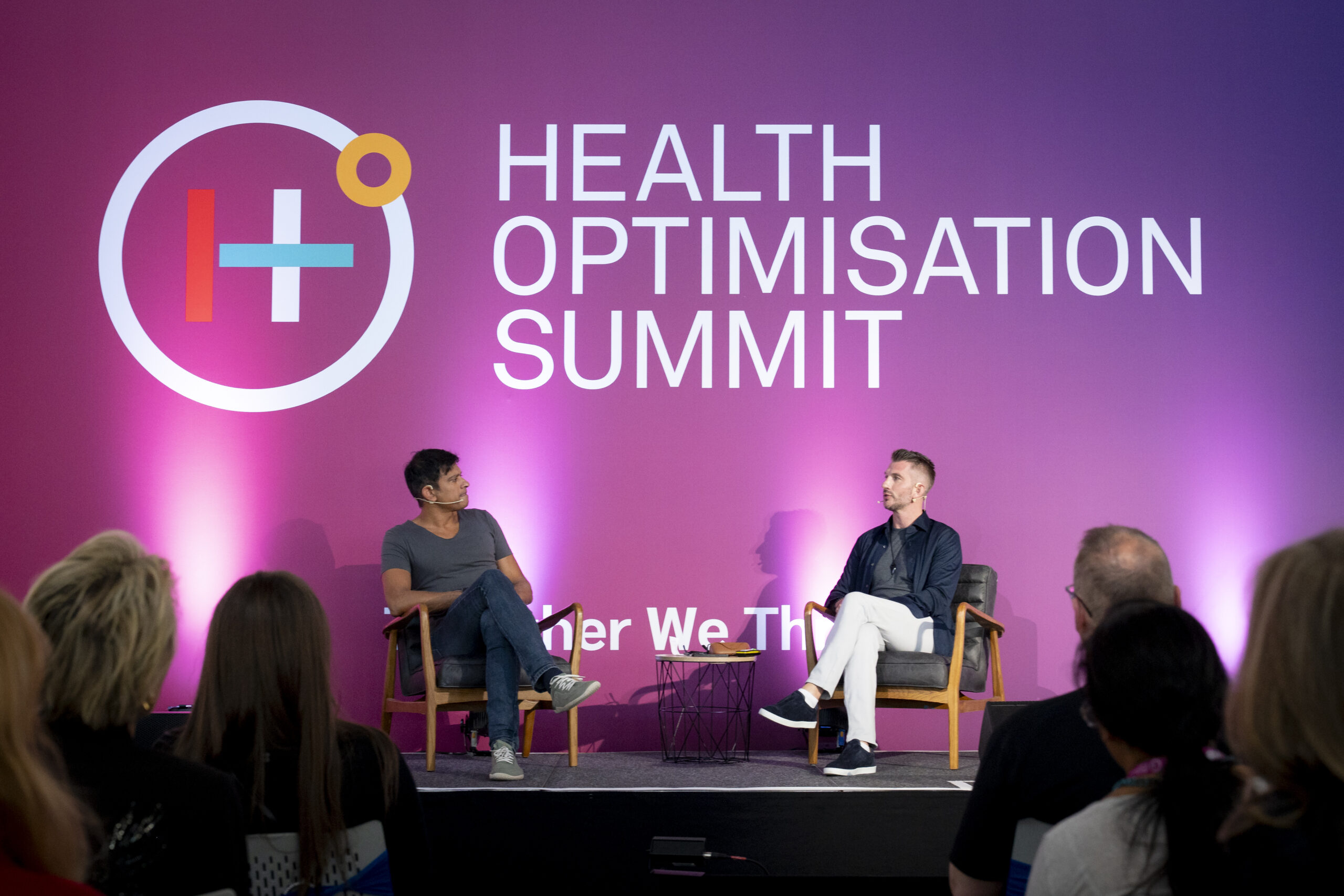
Future Patient editor Vicky Eldridge and founder Charlotte Body headed to the Business Design Centre for the Health Optimisation Summit 2025. Here, Vicky shares her thoughts
I love it when my work and personal interests collide. Giving up weekends and personal time to walk around exhibition halls and sit in lectures has been a necessity of my work for 20 years now, but I wouldn’t always describe it as fun. That’s why I was excited to spend a weekend at an event I would have chosen to go to, whether it was for work or not – the Health Optimisation Summit.
This was only my second time attending the show, although it’s been going since 2017, when it started with just 50 people. Since then, it’s grown massively with more than 4,200 attendees in 2025, showing the growing interest in the areas of longevity and biohacking.
Having run our own events at the BDC, it’s a venue I really like – easy to get to and light and airy inside, a plus for a sector that promotes the benefits of natural daylight. There were queues down the road when we arrived for opening on the first day, and the atmosphere in the queue was full of energy, helped by the DJ playing out front.
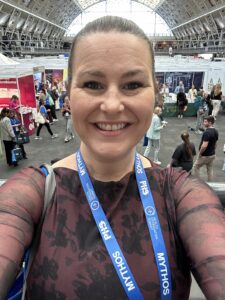


The Health Optimisation Summit brings together health practitioners, wellness brands, and people who are curious about how to feel better and live well for longer
As the editor of Future Patient, I wanted to see what conversations would be shaping the future of health, but as a woman in her 40s who is trying to optimise her own health, I also wanted to check out the products, brands and ideas that might feel relevant in my everyday life.
I sat in on the opening session with founder Tim Gray and his following interview with one of my favourite authors and podcasters in this space, Dr Rangan Chatterjee. I listen to his podcast every week, and it was a real joy to hear him in person.
I really enjoyed hearing his perspectives on where medicine and biohacking meet and where they clash, and my key takeaway was about how important our personal relationships are, as well as not overdoing things. My wellness to-do list can often be so long that it becomes stressful in itself, and it was an ah-ha moment when he asked what it was all for. Why are we trying to get a perfect sleep score or active minute score or blood sugar level if, in doing so, we are not engaging in our own lives? This hit home and gave me permission to be easier on myself.
Other talks on the agenda covered everything from nutrition and gut health to sleep, light exposure and longevity. For Charlotte, the topic she was most excited about for our sector was peptides, with some interesting developments coming in the future. This is a topic we will be exploring more at Future Patient so watch this space.
I liked that many speakers emphasised practical changes, things like consistent routines, improving sleep quality, or supporting circadian rhythms, rather than just gadgets. Sometimes it can feel like biohacking is only for those with money, but I honestly believe that there are so many simple things we can all do that are accessible to us without spending a small fortune. Although that being said, my wallet took its usual hit on the exhibition floor, which was packed with options: red light therapy, hyperbaric oxygen chambers, IV drips, EMF-reducing products, and lots of supplements. Some were out of my budget, but it was interesting to see where wellness trends are heading.
One of my key takeaways was about the importance of community. I made some great connections personally and professionally, and it made me even more excited for our own event – The Future Patient Congress – aimed at healthcare professionals. It was also lovely to run into one of our editorial board members, Dr Nima Mahmoodi.
I came home feeling inspired to put down my phone, get outside in the sunlight more and focus on small sustainable habits rather than setting myself huge unattainable goals. I look forward to attending again in 2026.